Home care software built for Minnesota Medicaid EVV.
Minnesota routes EVV through HHAeXchange (EVV Data Aggregator API). First Support Homecare captures every Medicaid visit with GPS clock-in and clock-out, coded reasons and an audit trail, and its HHAeXchange connector is built to the published specification — the certification is completed with your agency as the sponsoring provider, at no cost to you.
AI does the paperwork: faxed referrals become client records and any PDF form becomes fillable in minutes. Your staff checks and signs, so a small office keeps up without another hire.
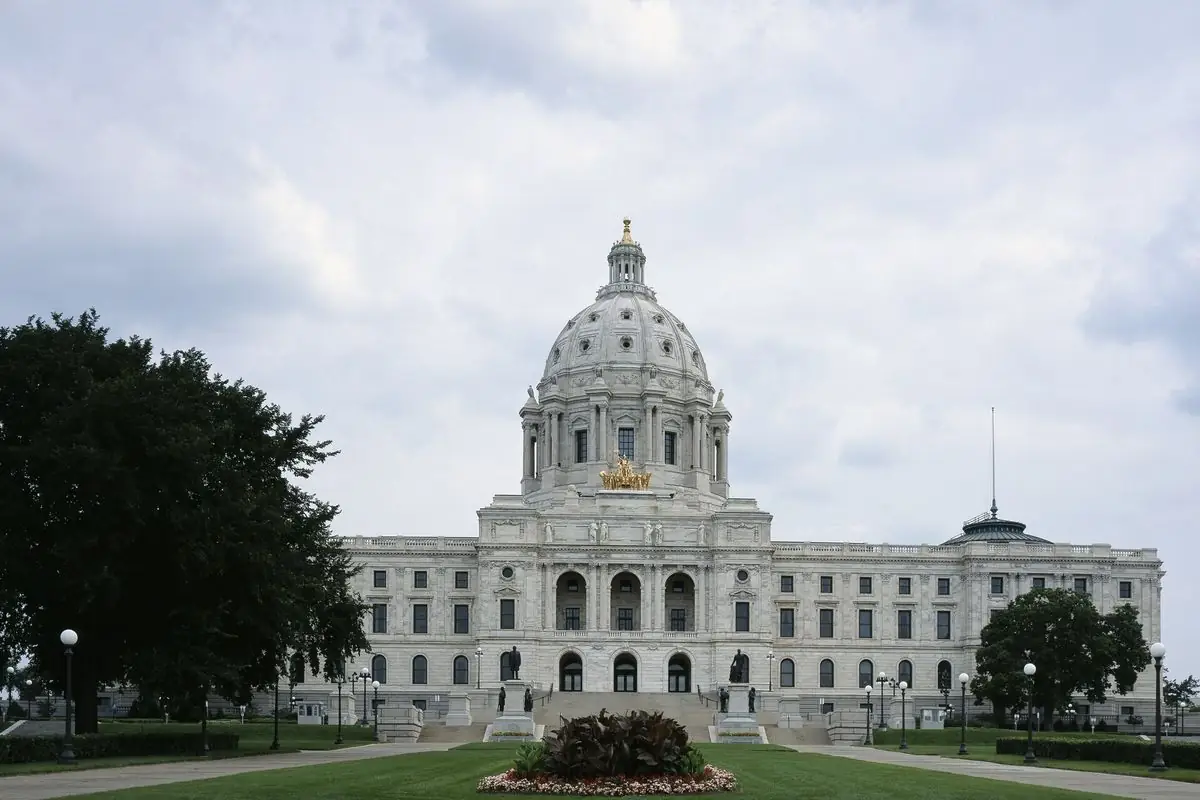
Minnesota's compliance thresholds - 50%, then 80%
The Minnesota Department of Human Services (DHS) signed with HHAeXchange on May 25, 2021 and began implementing EVV on June 20, 2022. It is a hybrid model: agencies can use the state-provided HHAeXchange system or their own system, as long as that system meets state requirements and sends its data to HHAeXchange.
Minnesota measures compliance as a percentage and has been raising the bar. From January 1, 2026, every provider must be enrolled with HHAeXchange - whatever system it uses and whoever the payer is - and must send complete data for every visit, including non-compliant ones, with at least 50% of billed visits compliant. DHS reviews this quarterly, starting with January-March 2026 data. From July 1, 2026, the threshold rises to 80%.
| When | What changed in Minnesota |
|---|---|
| May 25, 2021 | HHAeXchange contract finalized. |
| June 20, 2022 | EVV implementation begins. |
| September 2025 | Billing through HHAeXchange available for unit-based fee-for-service programs. |
| January 1, 2026 | HHAeXchange enrollment required for all providers; 50% compliance threshold; quarterly enforcement begins. |
| July 1, 2026 | Compliance threshold rises to 80% of billed visits. |
Send every visit, not just the clean ones
Providers must submit complete EVV data for all visits, including visits that are not compliant.
Enrollment is universal
HHAeXchange enrollment is required regardless of which EVV system an agency uses or which payer it bills.
Enforcement covers everyone
DHS enforces compliance for providers, financial management services (FMS) and managed care organizations.
Claims can go out from the EVV system
For unit-based fee-for-service programs, a claim for an in-scope service can be submitted to DHS automatically from HHAeXchange once the visit meets all criteria.
One aggregator: the HHAeXchange Data Aggregator API
Minnesota agencies live inside two sets of rules: Minnesota Department of Human Services's, and HHAeXchange's. The software was built to both — the state's EVV requirements in the visit record, HHAeXchange's interface in the connector — so the agency does the work once and the aggregator gets it in its own format. Hybrid / open model.
A REST API with a token
OAuth client credentials, a caregiver record, visits in batches of up to a hundred, and a transactions endpoint that gives each visit its verdict. Members come from the payer's feed; the visit names them by Medicaid ID.
Ten published test cases
HHAeXchange publishes its interface test: authenticate, create and update a caregiver, five visits in a batch, one visit, a missed visit, an edit, a delete, and two that must fail. The software passes all ten against a faithful mock today, and runs them against the real implementation environment with one command.
Edits and missed visits carry codes
A corrected time carries the state's edit reason and action codes; a cancelled scheduled visit can be reported as a missed visit with its own codes.
Everything HHAeXchange requires is the same in every HHAeXchange state - the element-by-element requirements, the onboarding steps and the common questions are on one page. How HHAeXchange EVV works.
Book the demoWatch a visit go from the door to the state
Questions Minnesota agencies ask
What EVV compliance rate does Minnesota require?
At least 50% of billed visits from January 1, 2026, and at least 80% for visits billed after July 1, 2026. DHS reviews compliance quarterly.
Does a Minnesota agency with its own EVV system still enroll with HHAeXchange?
Yes. From January 1, 2026, HHAeXchange enrollment is required regardless of the system or payer.
Which Minnesota programs does this cover?
Personal care and CFSS, home health and waiver services — every service Minnesota Department of Human Services requires EVV for. Phase I certification with HHAeXchange; one EVV system per provider; reason codes come from DHS and an exceptions review process is required.
Is there a free trial for Minnesota agencies?
Yes. Minnesota agencies that bill Medicaid and sign up by December 31, 2026 get 90 days free with no limit on clients: scheduling, the caregiver EVV app, documents, billing and the family portal. AI features are not part of the trial. Private-pay-only agencies get 15 days.
EVV in nearby states Iowa EVV · North Dakota EVV · South Dakota EVV · Wisconsin EVV
Sources Minnesota DHS — Electronic Visit Verification · Minnesota DHS - EVV compliance requirements (eList) · Minnesota DHS - CBSM EVV compliance policy · Medicaid.gov — EVV under the 21st Century Cures Act · First Support EVV — the Cures Act EVV requirement, explained
Also on HHAeXchange Illinois, Michigan, Mississippi, New Jersey, South Carolina, West Virginia · How HHAeXchange EVV works
See a visit go from clock-in to the HHAeXchange queue.
Twenty minutes on a screen-share: clock-in, clock-out, and the HHAeXchange record for that visit. If it is not a fit you will know in five.